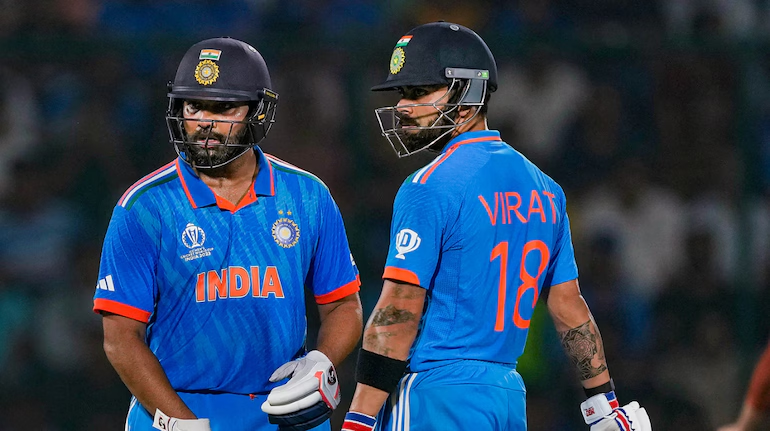
India vs New Zealand ODI Dream11 Prediction: 2nd ODI fantasy picks, suggested XI, Captain and Vice-Captain

The India vs New Zealand ODI Dream11 Prediction for the second ODI at Hnry Stadium, Wellington, has several interesting fantasy angles after India’s victory in the series opener. India lead 1–0 following a five-wicket win under the DLS method, but the second match brings a fresh challenge on a different ground. The focus should be on players with reliable batting positions and bowlers likely to receive substantial workloads.
Virat Kohli was India’s leading batter in Auckland, scoring 74 from 51 deliveries, while Shubman Gill contributed 37. New Zealand’s Tim Seifert and Glenn Phillips made useful starts, but the home side struggled to build partnerships. Jacob Duffy claimed three wickets, whereas India’s Anshul Kamboj and Gurnoor Brar delivered particularly effective spells.
There are also important selection developments. Devon Conway has been ruled out of the remaining ODIs, Nick Kelly has joined the squad, and Matt Henry has been cleared for selection. India’s Mohammed Siraj is available again after missing the opener. These changes make the final playing XI important, especially when choosing New Zealand’s wicketkeeper and India’s pace combination.
Match Details
| Match | Details |
|---|---|
| Match | New Zealand vs India, 2nd ODI |
| Date | Saturday, 7 November 2026 |
| Time | 7:30 AM IST |
| Local Time | 3:00 PM NZDT |
| Venue | Hnry Stadium, Wellington |
| Tournament | India Tour of New Zealand 2026 |
| Series Score | India lead 1–0 |
Recent ODI Fantasy-Relevant Form
India – Players to Watch
| Player | Last ODI Performance | Fantasy Relevance |
|---|---|---|
| Virat Kohli | 74 off 51 balls against New Zealand | His No. 3 position gives him an excellent opportunity to build a substantial innings. |
| Shubman Gill | 37 off 56 balls against New Zealand | His opening role provides a potentially large number of deliveries to face. |
| Arshdeep Singh | 4 wickets for 70 runs in 10 overs | His full bowling allocation and new-ball role give him wicket-taking opportunities. |
| Anshul Kamboj | 2 wickets for 22 runs in 10 overs | Completed his full quota economically and picked up important middle-order wickets. |
| Gurnoor Brar | 3 wickets for 44 runs in 9.2 overs | His first-match performance gives him a strong case if retained in the XI. |
| KL Rahul | 3 not out in the rain-shortened chase | His wicketkeeping role remains important even when batting opportunities are limited. |
New Zealand – Players to Watch
| Player | Last ODI Performance | Fantasy Relevance |
|---|---|---|
| Tim Seifert | 38 off 43 balls against India | His performance in the opener makes him worth monitoring, but his selection and role for this match need confirmation. |
| Glenn Phillips | 30 off 51 balls against India | His middle-order position gives him time to build an innings and accelerate later. |
| Daryl Mitchell | 28 off 41 balls against India | He can contribute through the middle overs and is an important batting option. |
| Blair Tickner | 34 off 23 balls against India | His late hitting demonstrated lower-order scoring ability, although his primary fantasy case remains bowling. |
| Jacob Duffy | 3 wickets for 49 runs in 7 overs | He made the biggest impact among New Zealand’s bowlers in the opener. |
| Kyle Jamieson | 1 wicket for 34 runs in 7 overs | His height and ability to generate bounce make him relevant in Wellington conditions. |
The first ODI offered a clear contrast between the teams. India’s bowlers shared the wickets, with Kamboj and Brar controlling the innings while Arshdeep provided the early breakthroughs. Kohli then dominated the chase. New Zealand will need a better batting performance, but Duffy’s wicket-taking ability gives the home side a bowling option worth retaining in fantasy combinations.
Fantasy Pitch and Venue Analysis – Hnry Stadium
Hnry Stadium, also known as Wellington Regional Stadium or Sky Stadium, has a history of competitive ODI totals. The available venue record shows an average first-innings score of approximately 235 runs, with chasing sides holding a narrow advantage.
| Fantasy Venue Factor | ODI Record |
|---|---|
| Matches | 22 |
| Average 1st Innings Score | 234.8 |
| Average 2nd Innings Score | 199.5 |
| Wins Batting First | 10 |
| Wins Chasing | 11 |
The historical numbers suggest that a total around the mid-200s is a useful reference point, although conditions can change considerably. The powerplay has produced early wickets at this venue, which keeps new-ball pacers relevant. The middle overs also offer opportunities for spinners and partnership-breaking bowlers. For fantasy selection, a balanced combination of top-order batters and frontline pace bowlers is preferable to loading the team entirely with batters.
Player-by-Player Fantasy Analysis
Wicketkeepers
KL Rahul – India
Rahul remains India’s most established wicketkeeping choice. His batting position in the middle order can sometimes reduce the number of deliveries he faces, but he has the ability to build a long innings when the situation demands it. The wicketkeeping role also gives him opportunities through catches and stumpings. He is a sensible selection if India retain him behind the stumps.
Tom Latham – New Zealand
Latham is an experienced ODI batter and wicketkeeper. His first-match score of three was disappointing, but his ability to construct an innings makes him a reasonable option at this venue. New Zealand’s batting order may need someone to hold the innings together if early wickets fall. That responsibility could create a longer batting opportunity for him.
Tim Seifert – New Zealand
Seifert scored 38 in the first ODI, but his selection status for the second match needs checking. He came into the first-match lineup following Conway’s absence, and New Zealand have since called Nick Kelly into the squad. Do not automatically assume Seifert will retain the same role. Consider him only if the confirmed XI includes him.
Batters
Virat Kohli – India
Kohli was India’s standout batter in Auckland, scoring 74 from 51 balls with 13 fours and a six. His No. 3 position gives him a strong opportunity to face a substantial portion of the innings, particularly if India lose an early wicket. He is also comfortable building partnerships and accelerating once settled. Those qualities make him my preferred batting choice for the second ODI.
Shubman Gill – India
Gill’s 37 from 56 balls was a measured innings in a rain-affected chase. His opening position remains valuable because he can face deliveries across the powerplay and middle overs. He may not always score at Kohli’s pace, but his ability to bat deep makes him a strong option in a full-length ODI.
Rohit Sharma – India
Rohit was dismissed for a duck in the opener, so his recent match return was limited. However, one early dismissal should not outweigh his established role as an opening batter. His aggressive approach can put pressure on the new-ball attack, and a longer stay at the crease would give him considerable scoring opportunity. He carries more short-term risk than Gill or Kohli after the first match.
Daryl Mitchell – New Zealand
Mitchell made 28 from 41 balls in Auckland before being run out. His middle-order position is important because New Zealand need him to build partnerships after early wickets. He is capable of playing both a rebuilding and an attacking role. His bowling should only be considered an additional benefit if his expected workload is clear.
Glenn Phillips – New Zealand
Phillips scored 30 from 51 balls in the opening match. He did not convert his start into a major innings, but he remains one of New Zealand’s important middle-order batters. His ability to accelerate late in an innings gives him an attractive role, particularly if the top order provides a platform. His bowling contribution should not be assumed without evidence of a regular workload.
Henry Nicholls – New Zealand
Nicholls made nine in the first ODI. His selection remains relevant after Conway’s withdrawal, but his batting position and the final team combination should be checked. He is more useful as a conditional selection than as a fixed core pick, particularly because New Zealand have other middle-order options available.
All-Rounders
Mitchell Santner – New Zealand
Santner’s bowling role is the main reason to consider him. He is New Zealand’s captain and a regular left-arm spin option, giving him a realistic chance of bowling through the middle overs. He made only four runs in the opener, but his batting position can still offer a contribution if the innings reaches the lower middle order. His fantasy appeal depends primarily on bowling involvement.
Axar Patel – India
Axar bowled five overs for 12 runs in the first ODI without taking a wicket. His economy was useful, although the short spell means his workload could be greater in a full match. He can also bat in the middle order and add depth to India’s lineup. If India use him for a substantial spell, he becomes a valuable selection.
Michael Bracewell – New Zealand
Bracewell is part of New Zealand’s squad and can contribute with both bat and ball. However, his role in the second ODI needs to be assessed from the team combination. If he is selected and expected to bowl a meaningful number of overs, he becomes more attractive. Do not select him purely because he is listed as an all-rounder.
Nathan Smith – New Zealand
Smith bowled 4.4 overs in the first ODI, taking one wicket for 21 runs. He also has the potential to contribute with the bat lower down the order. His selection appeal comes from the possibility of a useful bowling spell and additional batting involvement. The concern is whether he receives enough overs in a full match.
Bowlers
Anshul Kamboj – India
Kamboj was the standout bowling performer in Auckland, finishing with 2/22 from 10 overs. His ability to maintain control and bowl a complete spell is particularly valuable in ODI fantasy contests. He also took two important wickets, including the dismissals of Santner and Nathan Smith. If retained in the XI, he deserves serious consideration.
Arshdeep Singh – India
Arshdeep claimed four wickets in the first ODI, although he conceded 70 runs. His new-ball role gives him opportunities to strike early, and he can also bowl during the later overs. The economy risk was evident in Auckland, but wicket-taking remains the key reason to consider him.
Gurnoor Brar – India
Brar took three wickets for 44 runs in 9.2 overs in the opener. His spell helped India dismiss New Zealand for 185, and his ability to take wickets in different phases makes him an interesting selection. His place in the XI should be checked, especially with Siraj available again.
Jacob Duffy – New Zealand
Duffy claimed 3/49 in seven overs in the first ODI, dismissing Kohli, Iyer and Axar. His spell showed that he can trouble India’s middle order. The runs conceded were on the expensive side, but his wicket-taking ability gives him a clear fantasy role. He is one of New Zealand’s leading bowling choices.
Matt Henry – New Zealand
Henry has been cleared for selection after the training-ground incident that also affected Conway. His availability is an important boost for New Zealand. As a frontline fast bowler, he can provide a new-ball threat and bowl later in the innings. His final inclusion should be confirmed before selection, but he is a strong candidate if named.
Kyle Jamieson – New Zealand
Jamieson took one wicket in the opener and conceded 34 runs from seven overs. His height and ability to extract bounce could be useful in Wellington. He is worth considering if New Zealand retain him, although his fantasy return will depend on how many overs he receives and whether he finds early movement.
Safe Fantasy Picks
| Player | Team | Role | Why Consider Him? |
|---|---|---|---|
| Virat Kohli | India | BAT | No. 3 position and a substantial first-match contribution |
| Shubman Gill | India | BAT | Opening role and ability to bat deep |
| KL Rahul | India | WK | Established wicketkeeping role and middle-order batting |
| Anshul Kamboj | India | BOWL | Full 10-over spell and two wickets in the opener |
| Jacob Duffy | New Zealand | BOWL | New Zealand’s leading wicket-taker in the first ODI |
These players have clear roles or recent performances supporting their selection. Their inclusion is still subject to the confirmed teams, particularly Kamboj and Duffy.
Differential and High-Upside Picks
| Player | Team | Role | Differential Reason |
|---|---|---|---|
| Gurnoor Brar | India | BOWL | Three wickets in the opener and the potential to bowl a substantial spell if retained. |
| Matt Henry | New Zealand | BOWL | Now cleared for selection and capable of providing a new-ball wicket threat. |
| Nathan Smith | New Zealand | AR | Took a wicket in the opener and can add lower-order batting involvement. |
Brar is particularly interesting if India retain the same pace combination. Henry’s fitness update improves his prospects, but his final selection must be confirmed. Smith is a more speculative choice because his exact bowling workload can vary.
Players to Avoid or Treat as Fantasy Risks
| Player | Fantasy Risk |
|---|---|
| Devon Conway | Ruled out of the remaining ODIs after suffering a concussion. Do not select him. |
| Nick Kelly | Has joined New Zealand’s squad, but his ODI role and likely batting position for this match are not established by his selection alone. |
| Michael Bracewell | His all-rounder classification does not guarantee a substantial bowling workload or a high batting position. Check his role in the final XI. |
| Auqib Nabi | He bowled six overs without taking a wicket in the opener. His selection remains possible, but his expected role should be compared with the alternatives in India’s attack. |
These are fantasy-specific concerns. A player can still be a good cricketer while carrying selection or involvement risk for a particular contest.
Captain Options
Captain Option 1 – Virat Kohli
Kohli is my first Captain choice. His No. 3 position gives him a strong opportunity to build a long innings, and his 74 in the opening ODI showed that he is already comfortable against this attack. He can accumulate runs through strike rotation before accelerating. The main risk is that New Zealand’s bowlers may find a way to dismiss him early, as Duffy did in Auckland.
Captain Option 2 – Shubman Gill
Gill is the alternative Captain for teams that prefer an opening batter. His position gives him the opportunity to face a large number of deliveries, and he can build an innings across multiple phases. His 37 in the opener was a steady contribution rather than a major score. If he converts that start into a longer innings, he could deliver a substantial fantasy return.
Vice-Captain Options
Vice-Captain Option 1 – Anshul Kamboj
Kamboj is a strong bowling-led Vice-Captain choice after completing 10 overs for just 22 runs and taking two wickets in the opener. His ability to maintain control gives him a good chance of remaining involved throughout the innings. The main risk is that New Zealand’s batters may adapt to his bowling in the second match.
Vice-Captain Option 2 – Jacob Duffy
Duffy is the higher-risk alternative. He took three wickets in the first ODI and showed that he can trouble India’s middle order. His returns are likely to depend on wickets rather than economy, especially if he concedes runs while attacking. He is a reasonable Vice-Captain choice for a team seeking a bowling-heavy combination.
Suggested Fantasy XI – India vs New Zealand
| Role | Player | Team |
|---|---|---|
| WK | KL Rahul | India |
| BAT | Rohit Sharma | India |
| BAT | Shubman Gill | India |
| BAT | Virat Kohli | India |
| BAT | Daryl Mitchell | New Zealand |
| AR | Axar Patel | India |
| AR | Mitchell Santner | New Zealand |
| BOWL | Anshul Kamboj | India |
| BOWL | Arshdeep Singh | India |
| BOWL | Jacob Duffy | New Zealand |
| BOWL | Matt Henry | New Zealand |
Captain: Virat Kohli
Vice-Captain: Anshul Kamboj
ODI Fantasy Team Strategy
This combination has six Indian players and five New Zealand players. India’s batting group is built around Rohit, Gill and Kohli, who occupy the top three positions and have the opportunity to face a large share of the innings. Rahul provides wicketkeeping involvement, while Daryl Mitchell represents New Zealand’s middle order.
Axar and Santner are included for their spin-bowling roles and potential batting contributions. The four specialist bowlers cover both sides: Kamboj and Arshdeep have established roles in India’s attack, while Duffy and Henry offer New Zealand’s main pace options. Kamboj’s full spell in the first ODI makes him particularly attractive.
Kohli is Captain because of his batting position and ability to build a long innings. Kamboj is Vice-Captain to balance the team with a bowler who has already demonstrated the ability to complete a substantial workload. The combination prioritises involvement over selecting players solely on reputation.
Final Dream11 Recommendation
Kohli is my preferred Captain, with Gill as the alternative. Kamboj is the first bowling-led Vice-Captain choice after his controlled 10-over spell in the opener, while Duffy is the higher-risk alternative following his three wickets. Rahul, Rohit and Gill give the team a strong Indian batting core, while Santner and Axar add spin options.
Matt Henry is worth including if New Zealand confirm his selection. Conway should be avoided because he is ruled out, and Nick Kelly should not be treated as a fixed fantasy pick without confirmation of his role. Check both XIs before finalising the team.
Stay updated with all the cricketing action, follow Cricketwebs on Facebook, Twitter, and Instagram
Legal Disclaimer: All content is for informational and entertainment purposes only. Cricketwebs does not promote betting or gambling.