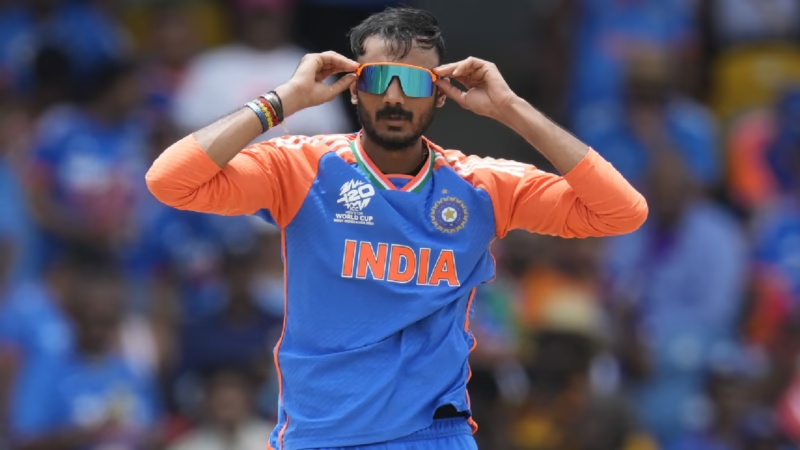
India vs New Zealand ODI Dream11 Prediction: 4th ODI fantasy picks, player form, Captain and Vice-Captain

The India vs New Zealand ODI Dream11 Prediction for the fourth match of the 2026 tour requires a fresh approach, with both teams moving into the final phase of the series with revised squads. The match will be played at Bay Oval in Mount Maunganui on Friday, 13 November, with the first ball scheduled for 7:30 AM IST. India lead the five-match series 2-0 after winning the opening two ODIs, while the third match in Hamilton was abandoned without a ball being bowled.
The biggest fantasy consideration is the change in personnel. India have Shreyas Iyer as captain for the final two matches, with Ishan Kishan, Tilak Varma and other players in the revised group. New Zealand have brought Finn Allen, Tim Seifert and several other players into their squad for the last two ODIs. Some players who featured earlier in the series are no longer available because of the split-squad arrangement.
For fantasy selections, the priority should be top-order batting opportunities, established ODI roles and bowlers likely to handle substantial spells. Bay Oval has a history of producing competitive ODI totals, so selecting only bowlers or loading the team with lower-order batters would be a risky approach. The final playing XIs and toss remain important, particularly for players returning to the ODI group or making a possible debut.
Match Details
| Match | Date | Time | Venue | Tournament/Series |
|---|---|---|---|---|
| 4th ODI: New Zealand vs India | 13 November 2026 | 7:30 AM IST | Bay Oval, Mount Maunganui | India Tour of New Zealand 2026 |
Recent ODI Fantasy-Relevant Form
The first two ODIs provide the most relevant recent international evidence for players who remain in the squads. The third ODI in Hamilton was abandoned without play, so it produced no batting or bowling statistics.
India
| Player | Recent ODI Performance | Fantasy Relevance |
|---|---|---|
| Virat Kohli | Scored 74 in the first ODI; made 7 in the second | His top-order position gives him a substantial opportunity to face deliveries. |
| Rohit Sharma | Scored 23 in the second ODI | An opening role gives him access to the Powerplay and the possibility of a longer innings. |
| Shreyas Iyer | Scored 30 in the second ODI | His middle-order position gives him a chance to rebuild after early wickets and accelerate later. |
| Axar Patel | Took 2 wickets in the second ODI | His regular bowling involvement is important, with batting contribution offering additional upside. |
| Arshdeep Singh | Took 4 wickets in the first ODI | His new-ball role makes him relevant when conditions favour seam movement. |
| Gurnoor Brar | Took 4 wickets in the second ODI | A 10-over spell in that match demonstrated his potential workload and wicket-taking involvement. |
New Zealand
| Player | Recent ODI Performance | Fantasy Relevance |
|---|---|---|
| Daryl Mitchell | Scored 55 in the second ODI | His ability to occupy the crease gives him value when New Zealand need to rebuild. |
| Mitchell Santner | Scored 31 in the second ODI | His batting contribution and spin-bowling role make him relevant in both innings. |
| Tim Seifert | Scored 38 in the first ODI but was dismissed for a duck in the second | His wicketkeeping and potential top-order role are useful, subject to selection. |
| Jacob Duffy | Took 3 wickets in the second ODI | His pace-bowling role gives him wicket-taking opportunities across the innings. |
| Kyle Jamieson | Took 3 wickets in the second ODI | His height and seam-bowling role can make him effective with the new ball and through longer spells. |
| Glenn Phillips | Scored 30 in the first ODI but was dismissed for a duck in the second | His batting ability is useful, although his role in the revised squad must be checked. |
Fantasy interpretation: India’s bowling unit has made a particularly strong contribution in the first two matches. Gurnoor Brar’s four-wicket performance in Wellington and Arshdeep Singh’s four-wicket haul in Auckland stand out. For New Zealand, Daryl Mitchell and Mitchell Santner produced the most notable batting contributions in the second ODI. However, the final-two-match squad changes mean previous performances should be considered alongside current selection and role certainty.
Squad Updates and Playing XI Watch
Both teams have revised their groups for the fourth and fifth ODIs. The following are the relevant squad options, not confirmed playing XIs.
India – squad for the final two ODIs:
Shreyas Iyer (captain), Rohit Sharma, Virat Kohli, Tilak Varma, Ishan Kishan, Nitish Kumar Reddy, Axar Patel, Naman Dhir, Auqib Nabi, Gurnoor Brar, Ruturaj Gaikwad, Arshdeep Singh, Kumar Kushagra, Mohammed Siraj and Kuldeep Yadav.
New Zealand – latest fourth-ODI squad update:
Mitchell Santner (captain), Finn Allen, Michael Bracewell, Kristian Clarke, Jacob Duffy, Matt Fisher, Dean Foxcroft, Mitch Hay, Matt Henry, Kyle Jamieson, Nick Kelly, Brett Randell, Tim Seifert and Will Young.
Brett Randell is a potential international debutant. Matt Henry is included in the latest fourth-match group after missing the Hamilton fixture. Blair Tickner is unavailable for the next two matches following an injury, while several New Zealand players have departed for Test preparation.
Selection points to monitor:
- Ishan Kishan is a key wicketkeeping candidate for India, with Kumar Kushagra also in the squad.
- Shreyas Iyer takes over the captaincy for the final two ODIs. His batting position should be checked at the toss.
- Finn Allen is back in the ODI group and could offer opening-batter value, but his selection and role need confirmation.
- Tim Seifert is another wicketkeeping option for New Zealand. Do not assume both Seifert and Mitch Hay will play.
- Matt Henry’s inclusion makes him worth monitoring, but his final selection should be confirmed.
- Brett Randell is a possible debutant rather than an established international fantasy pick.
Bay Oval Fantasy Pitch and Venue Analysis
Bay Oval has generally offered opportunities for batters to build substantial ODI innings, while its conditions can also reward disciplined seam bowling. Historical men’s ODI records at the venue show an average first-innings score of approximately 268 across full-length matches, although more recent games have produced lower totals. The record is relatively balanced between batting first and chasing.
| Fantasy Venue Factor | ODI Record |
|---|---|
| Matches played | 13 |
| Average first-innings score | 268.1 (12 full-length matches) |
| Wins batting first | 6 |
| Wins chasing | 7 |
For fantasy selection, top-order batters should remain important because the ground has supported competitive 50-over totals. New-ball seamers also deserve attention, particularly if there is early movement. Spinners and bowling all-rounders can become useful through the middle overs, where controlling the scoring rate and taking wickets can change the innings. The historical figures are a guide rather than a guarantee of how this particular surface will play.
Player-by-Player Fantasy Analysis
Wicketkeepers
Ishan Kishan – India
Ishan is one of the main wicketkeeping candidates in India’s revised squad. His batting position will determine much of his fantasy appeal: an opening or top-three role would give him a larger opportunity to score, while a lower position could reduce his expected deliveries. Wicketkeeping also gives him a separate route to points through catches and stumpings. Check the final XI and batting order before locking him in.
Tim Seifert – New Zealand
Seifert has already featured in the earlier ODIs and scored 38 in the opening match. His aggressive approach can be useful if he opens, particularly during the first 10 overs. He also offers wicketkeeping involvement. The main consideration is whether New Zealand select him ahead of Mitch Hay, so he should remain a conditional choice until the team is announced.
Batters
Rohit Sharma – India
Rohit’s opening position gives him one of the clearest batting opportunities in the Indian lineup. He can score quickly in the Powerplay but is also capable of building a substantial ODI innings if he gets through the early movement. His 23 in Wellington was a modest contribution, but the role remains more important than one shortened-match score.
Virat Kohli – India
Kohli’s 74 in the first ODI showed the value of his ability to build an innings in the top order. He can rotate strike against spin, manage the middle overs and accelerate when the innings reaches its final phase. His early dismissal in Wellington does not remove the underlying opportunity. Among the Indian batters, he remains one of the strongest captaincy candidates.
Shreyas Iyer – India
Iyer’s appointment as captain for the final two ODIs makes him a central figure in India’s batting plans. He scored 30 in the second match and has experience in the middle order, where he can handle both spin and pace. His exact position should be checked, but a No. 4 role would give him a useful balance of opportunity and responsibility.
Ruturaj Gaikwad – India
Gaikwad is part of the revised squad and could compete for a place in the top order. His selection is the main issue for fantasy managers: squad inclusion alone does not establish a guaranteed starting role. If he is named in the XI and given a top-order position, he becomes more interesting, especially for a contest where batting opportunity is important.
Finn Allen – New Zealand
Allen’s return gives New Zealand an attacking opening option. His ability to score boundaries early can make him an attractive high-risk selection, but his ODI experience is more limited than that of several established players in the group. Treat him as a differential only if he is confirmed in the playing XI and expected to open.
Will Young – New Zealand
Young has featured in the earlier matches and is included in the revised group. His top-order role can give him time to settle and build an innings, which is valuable in 50-over cricket. He is a more measured batting option than Allen, although his final batting position should still be checked.
Nick Kelly – New Zealand
Kelly is included in the New Zealand group for the final two ODIs. His fantasy appeal depends on whether he receives a top-order opportunity and how the team balances its batting options. Until his position and selection are clear, he is better treated as a watchlist player than a fixed selection.
All-rounders
Axar Patel – India
Axar remains one of India’s most useful fantasy candidates because of his regular left-arm spin and ability to contribute with the bat. His nine-over spell in the second ODI brought two wickets, showing that he can receive a substantial workload. His batting position can vary with the match situation, so his bowling involvement is the more dependable part of his role.
Mitchell Santner – New Zealand
Santner captains New Zealand and is expected to remain central to their bowling plans. His left-arm spin can be useful through the middle overs, while his batting gives him an opportunity to contribute if the top order struggles. He scored 31 in Wellington and is a sensible all-round candidate, although his expected overs and batting position should be checked after the toss.
Michael Bracewell – New Zealand
Bracewell is included in the revised New Zealand squad and can contribute with both bat and ball. His exact workload is important: do not assume he will bowl a full quota simply because he is an all-rounder. If he is selected and used regularly through the middle overs, he becomes more attractive for fantasy teams.
Naman Dhir – India
Dhir is part of India’s final-two-ODI squad. His batting opportunity may depend on the top-order performance, and his bowling should not be treated as guaranteed without evidence of a regular workload. He is a secondary selection rather than a priority pick unless the final XI and team combination point to a larger role.
Bowlers
Arshdeep Singh – India
Arshdeep’s left-arm angle and new-ball role make him a useful selection. He took four wickets in the first ODI and can also be involved later in the innings, depending on India’s bowling plans. His fantasy appeal is strongest when he receives a full opening spell and is trusted with overs at the end.
Kuldeep Yadav – India
Kuldeep is an important option if India use him as their main attacking wrist-spinner. The middle overs at Bay Oval could provide opportunities to break partnerships, especially against batters who struggle to rotate strike against spin. His inclusion in the XI should be confirmed before selection.
Mohammed Siraj – India
Siraj is included in India’s revised group and brings established ODI pace-bowling experience. His strongest fantasy value generally comes from the new ball and the opportunity to take wickets early. His selection and expected workload should be checked, especially with other seam options available.
Auqib Nabi – India
Nabi has already featured in the series and remains part of the final-two-ODI squad. He can offer India another seam option, but his place in the XI and likely overs are not guaranteed. Consider him only if the team announcement supports a meaningful bowling role.
Jacob Duffy – New Zealand
Duffy has taken wickets in the opening matches and remains in New Zealand’s revised squad. His ability to bowl a substantial spell makes him one of the more appealing home-team bowling options. He can be useful with the new ball and through the middle overs, depending on the team’s allocation.
Matt Henry – New Zealand
Henry’s return to the fourth-match squad is a significant development. He is an experienced ODI seamer with a new-ball role, making him relevant if selected. Given his recent absence, however, check the confirmed XI and any fitness update before treating him as a fixed pick.
Kyle Jamieson – New Zealand
Jamieson took three wickets in Wellington and can extract bounce with his height. He is capable of bowling a substantial spell and can be dangerous when the surface offers seam movement. His batting is a secondary consideration; the main reason to select him is his bowling workload and wicket-taking potential.
Brett Randell – New Zealand
Randell has earned a call-up for the fourth ODI and could make his international debut. His domestic experience has brought him into the squad, but there is no established ODI record to support a reliable fantasy projection. He is a high-risk option and should only be considered if he is named in the XI and the bowling role is clear.
Safe Fantasy Picks
| Player | Team | Role | Why Consider? |
|---|---|---|---|
| Virat Kohli | India | Batter | Top-order position and ability to build long ODI innings |
| Rohit Sharma | India | Batter | Opening role and Powerplay opportunity |
| Shreyas Iyer | India | Batter | Middle-order responsibility and captaincy for the final two ODIs |
| Axar Patel | India | All-rounder | Regular spin workload with batting contribution |
| Mitchell Santner | New Zealand | All-rounder | Captain, spin-bowling involvement and batting ability |
| Jacob Duffy | New Zealand | Bowler | Recent wickets and an established pace-bowling role |
Differential Picks
| Player | Team | Role | Differential Reason |
|---|---|---|---|
| Finn Allen | New Zealand | Batter | Could provide aggressive top-order scoring if selected to open |
| Kuldeep Yadav | India | Bowler | Wrist-spin wicket-taking potential through the middle overs |
| Michael Bracewell | New Zealand | All-rounder | Can contribute in both disciplines if given a meaningful bowling role |
| Matt Henry | New Zealand | Bowler | Experienced new-ball option returning to the fourth-match squad |
Finn Allen and Matt Henry should be treated as conditional picks because their selection and match readiness need to be checked. Kuldeep and Bracewell are more dependent on the final team combination and expected workload.
Players to Avoid and Selection Risks
| Player | Fantasy Risk |
|---|---|
| Brett Randell | Potential debutant without an established ODI record; selection and role are uncertain. |
| Nick Kelly | His batting position and place in the final XI need confirmation. |
| Mitch Hay | Competing with Tim Seifert for the wicketkeeping position. |
| Kumar Kushagra | Competing with Ishan Kishan for India’s wicketkeeping spot. |
Captain Options
Captain Option 1 – Virat Kohli
Kohli is the leading captaincy candidate because of his position near the top of India’s batting order and his ability to occupy the crease for a long period. His 74 in the first ODI showed how valuable that role can be when he gets set. At Bay Oval, where the ODI first-innings average has historically been competitive, a batter capable of building an innings has a useful opportunity.
The main risk is an early dismissal against the new ball. However, his batting position and established ODI role give him a strong case for the multiplier.
Captain Option 2 – Shreyas Iyer
Iyer offers a different captaincy route. As India’s captain for the final two ODIs, he is expected to have an important role in the middle order. His ability to handle spin and pace makes him useful when the innings requires rebuilding or acceleration. If he bats at No. 4, he could receive enough deliveries to produce a substantial score.
His main risk is that a strong start from the openers could reduce his time at the crease. Kohli remains the preferred captain, but Iyer is a credible alternative.
Vice-Captain Options
Vice-Captain Option 1 – Axar Patel
Axar is a useful vice-captain choice because his bowling role gives him a regular opportunity to influence the match. He took two wickets in Wellington and can bowl through the middle overs, where batters are often looking to consolidate. His batting provides additional upside if India lose wickets or need a late contribution.
The main uncertainty is how much batting opportunity he receives, but his bowling role gives him a reasonable foundation.
Vice-Captain Option 2 – Mitchell Santner
Santner combines captaincy responsibility with left-arm spin and lower-middle-order batting. His 31 in the second ODI showed that he can contribute with the bat when New Zealand need runs. If Bay Oval offers assistance to spinners, his bowling could also become important.
His fantasy return depends on the number of overs he bowls and whether he gets a meaningful batting opportunity. He is a higher-variance alternative to Axar.
Suggested Fantasy XI
| Role | Player | Team |
|---|---|---|
| WK | Ishan Kishan | India |
| BAT | Rohit Sharma | India |
| BAT | Virat Kohli | India |
| BAT | Shreyas Iyer | India |
| BAT | Will Young | New Zealand |
| AR | Axar Patel | India |
| AR | Mitchell Santner | New Zealand |
| AR | Michael Bracewell | New Zealand |
| BOWL | Arshdeep Singh | India |
| BOWL | Jacob Duffy | New Zealand |
| BOWL | Matt Henry | New Zealand |
Captain: Virat Kohli
Vice-Captain: Axar Patel
Important final checks:
- Confirm Ishan Kishan is selected as India’s wicketkeeper.
- Confirm Will Young is in New Zealand’s XI.
- Select Matt Henry only if he is named and cleared to play.
- If Bracewell is not selected or is unlikely to bowl, replace him with a confirmed player who has a stronger expected role.
- Recheck the team combination and player-role restrictions on the fantasy platform.
ODI Fantasy Team Strategy
The suggested combination gives India six players and New Zealand five. India’s batting core is built around Rohit, Kohli and Iyer, who can cover the top and middle order. Ishan is included for wicketkeeping involvement as well as his batting opportunity, while Axar offers a dependable bowling role and a chance to contribute with the bat.
New Zealand’s selections focus on players with established roles or meaningful involvement. Young is included for his top-order opportunity, Santner and Bracewell provide all-round balance, and Duffy and Henry offer pace-bowling options. The two New Zealand seamers should be particularly relevant if the surface provides movement early.
Arshdeep completes the Indian bowling representation because of his left-arm angle and new-ball role. The team does not rely heavily on uncertain debutants or players whose selection is unclear. Kohli is captain because of his batting opportunity, while Axar is vice-captain because his bowling workload gives him another way to contribute.
Final Dream11 Recommendation
For the fourth ODI, Virat Kohli is the preferred captain, with Axar Patel the first vice-captain choice. Rohit Sharma and Shreyas Iyer are important batting selections, while Mitchell Santner and Jacob Duffy are among the New Zealand players worth prioritising. Finn Allen is an interesting differential if he is confirmed as an opener, but avoid selecting him solely on reputation. Brett Randell and the competing wicketkeeping options carry greater selection risk. The final team should be adjusted after the toss, with particular attention to Matt Henry’s inclusion, the New Zealand opening combination and India’s wicketkeeping choice.
Stay updated with all the cricketing action, follow Cricketwebs on Facebook, Twitter, and Instagram
Legal Disclaimer: All content is for informational and entertainment purposes only. Cricketwebs does not promote betting or gambling.