India vs New Zealand Prediction, 2nd ODI – India Tour of New Zealand 2026
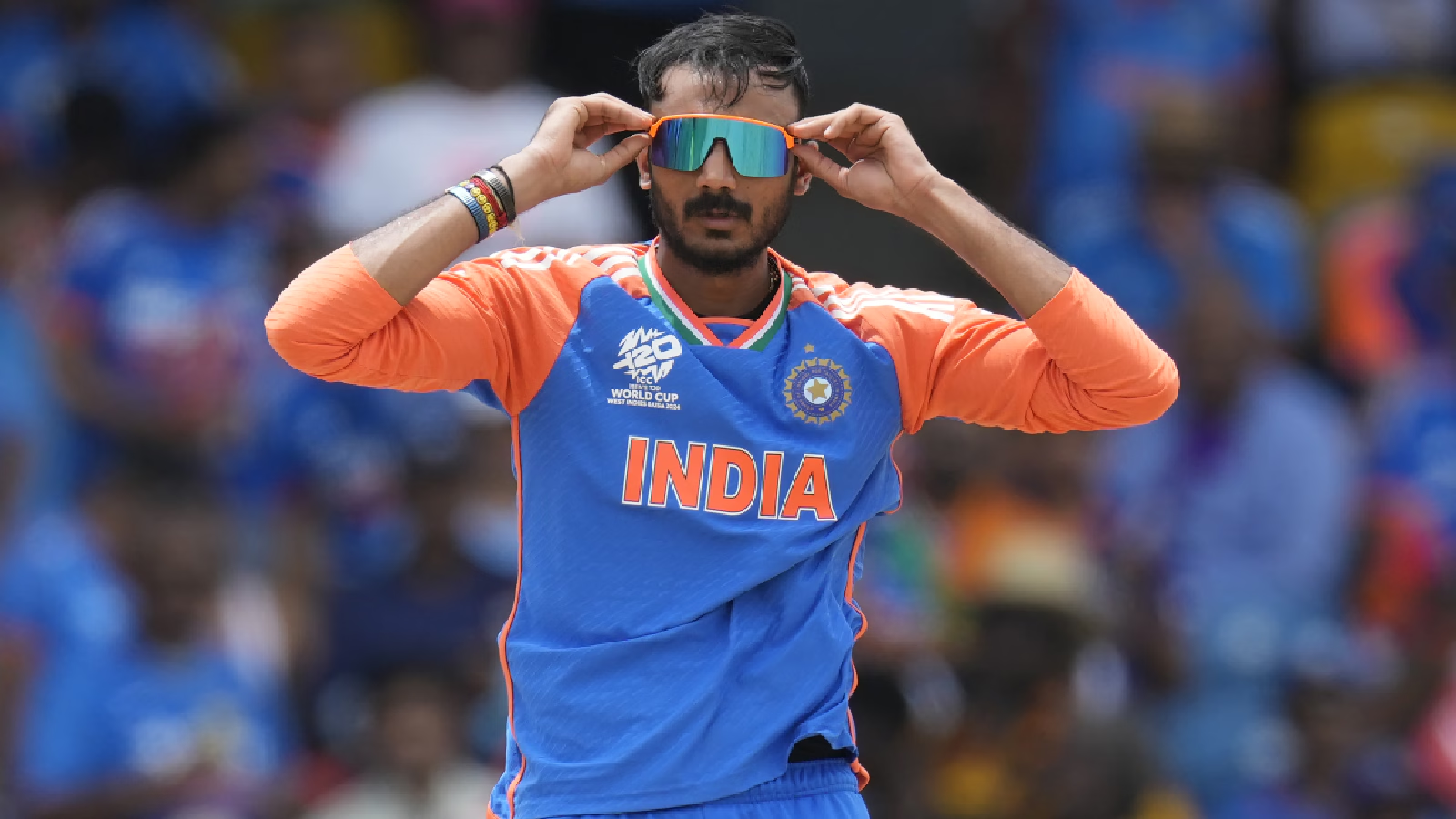
India vs New Zealand prediction for the second ODI of the India Tour of New Zealand 2026 favours India slightly after their five-wicket victory in the opening match at Eden Park, Auckland. The visitors have taken a 1-0 lead in the five-match series and will look to strengthen their position with another victory in Wellington.
The first ODI was affected by rain, with New Zealand dismissed for 185 in 40.2 overs. India reached 143/5 in 22.4 overs while chasing a revised target of 143 in 32 overs, securing a five-wicket victory under the DLS method. Anshul Kamboj was named Player of the Match after taking 2/22 in his 10 overs.
India will take confidence from the performances of their experienced batting unit, including Rohit Sharma, Virat Kohli and Shubman Gill. However, the second ODI comes with a different challenge because Wellington’s Hnry Stadium is known for its windy conditions, which can influence the movement of the new ball.
New Zealand need a stronger batting performance after their top order struggled in Auckland. Their bowling attack has the ability to compete, particularly with Matt Henry available again after being cleared of concussion. However, Devon Conway has been ruled out of the remainder of the ODI series, while Nick Kelly has joined the squad as his replacement.
The match is scheduled for Saturday, 7 November, at 7:30 AM IST. India have the advantage of leading the series, but New Zealand’s home conditions make this an important opportunity for the hosts to level the contest.
Table of Contents
Match Details
| Match Information | Details |
|---|---|
| Match | India vs New Zealand, 2nd ODI |
| Date | Saturday, 7 November 2026 |
| Time | 7:30 AM IST |
| Local Time | 3:00 PM NZDT |
| Venue | Hnry Stadium, Wellington |
| Tournament | India Tour of New Zealand 2026 |
| Format | One Day International |
| Series Score | India lead 1-0 |
India Last 5 ODI Matches
| Date | Opponent | Result | India Score | Opponent Score | Margin |
|---|---|---|---|---|---|
| 4 Nov 2026 | New Zealand | Won | 143/5 | 185 | 5 wickets (DLS) |
| 18 Jan 2026 | New Zealand | Lost | 296 | 337/8 | 41 runs |
| 14 Jan 2026 | New Zealand | Lost | 284/7 | 286/3 | 7 wickets |
| 11 Jan 2026 | New Zealand | Won | 306/6 | 300/8 | 4 wickets |
| 9 Mar 2025 | New Zealand | Won | 254/6 | 251/7 | 4 wickets |
New Zealand Last 5 ODI Matches
| Date | Opponent | Result | New Zealand Score | India Score | Margin |
|---|---|---|---|---|---|
| 4 Nov 2026 | India | Lost | 185 | 143/5 | 5 wickets (DLS) |
| 18 Jan 2026 | India | Won | 337/8 | 296 | 41 runs |
| 14 Jan 2026 | India | Won | 286/3 | 284/7 | 7 wickets |
| 11 Jan 2026 | India | Lost | 300/8 | 306/6 | 4 wickets |
| 9 Mar 2025 | India | Lost | 251/7 | 254/6 | 4 wickets |
Recent Form Comparison
| Team | Wins | Losses |
|---|---|---|
| India | 3 | 2 |
| New Zealand | 2 | 3 |
India have a slight advantage in recent results, having won the latest ODI and three of the five listed matches. Their bowling attack was particularly effective in Auckland, restricting New Zealand to 185.
New Zealand have demonstrated that they can score heavily against India, as shown by their 337/8 in January 2026. Their problem in the opening ODI was the inability to build substantial partnerships against India’s seam attack.
Both teams have demonstrated competitive batting capabilities, but India’s recent bowling performance gives them better momentum entering the Wellington encounter.
India Preview
India enter the second ODI with confidence after winning the opening match by five wickets under the DLS method. Their experienced batting combination provides depth, while the bowling attack has several options capable of exploiting Wellington’s conditions.
Rohit Sharma and Shubman Gill are expected to provide the opening partnership. Rohit’s aggressive approach can put pressure on New Zealand’s new-ball bowlers, while Gill offers the ability to build an innings and accelerate when required.
Virat Kohli remains a crucial player in the middle order. His ability to handle pressure and rotate the strike makes him particularly valuable in conditions where the ball can move around. Shreyas Iyer and KL Rahul add further batting stability, while Axar Patel provides all-round flexibility.
The opening match also demonstrated India’s bowling depth. Arshdeep Singh, Mohammed Siraj and Gurnoor Brar provide seam options, while Kuldeep Yadav offers a wicket-taking threat in the middle overs.
Anshul Kamboj was another important contributor in Auckland, taking 2/22 in 10 overs. His performance will strengthen his case for another appearance in the second ODI.
Powerplay: India should aim to make the most of the fielding restrictions without exposing their top order to unnecessary risks. Rohit and Gill need to negotiate the initial movement before increasing the scoring rate.
Middle Overs: Kohli, Iyer and Rahul can control the innings through strike rotation and partnerships. Kuldeep and Axar will also be important when India bowl, particularly against New Zealand’s middle order.
Death Overs: India’s batting depth gives them options to accelerate in the final 10 overs. With the ball, Arshdeep and Siraj will be expected to execute yorkers and slower deliveries effectively.
One concern is the availability of Prasidh Krishna, who has been ruled out of the ODI series with a hamstring injury. Jasprit Bumrah is also not part of the announced ODI squad. India will therefore rely on their available seamers rather than their first-choice pace combination.
India’s best approach is to use the new ball effectively, build a solid batting foundation and avoid giving New Zealand opportunities through unnecessary wickets.
New Zealand Preview
New Zealand have an important opportunity to level the series in front of their home supporters. Their opening defeat exposed weaknesses in the batting order, but the return of Matt Henry provides an encouraging development ahead of the Wellington match.
Mitchell Santner will lead the home side and remains an important all-round contributor. His left-arm spin can control the middle overs, while his batting provides additional depth.
Will Young and Henry Nicholls are among the top-order batting options in the initial squad, while Tom Latham offers experience and wicketkeeping ability. Daryl Mitchell and Glenn Phillips provide the attacking middle-order options capable of changing the momentum.
New Zealand will particularly need a better contribution from their top order. Their total of 185 in Auckland was below what their batting lineup should be capable of producing against India.
The return of Matt Henry is significant because he can provide early movement and control. Kyle Jamieson offers bounce and height, while Jacob Duffy and Blair Tickner provide additional pace options. Michael Bracewell and Mitchell Santner give the team spin and all-round depth.
Powerplay: New Zealand need to avoid losing early wickets. Their opening batters must be prepared to negotiate India’s seam attack, especially if Wellington’s conditions assist swing bowling.
Middle Overs: Daryl Mitchell, Glenn Phillips and Tom Latham will be important in building partnerships. New Zealand must rotate the strike against Kuldeep Yadav and Axar Patel instead of allowing the spinners to dictate the scoring rate.
Death Overs: Phillips, Mitchell and the all-rounders need to provide acceleration in the final 10 overs. Their bowling attack must also prevent India’s middle and lower order from scoring freely.
New Zealand have suffered important selection setbacks. Devon Conway has been ruled out with concussion, while Mark Chapman and Rachin Ravindra are also unavailable for the series. Nick Kelly has been brought into the squad as Conway’s replacement.
The hosts need a much better batting performance and early wickets with the new ball. If they can achieve both, they have a realistic opportunity to level the series.
Also Check: India vs New Zealand Dream11 Prediction 2nd ODI
Team Squad & Team News
India ODI Squad – First Three Matches
| Player | Role |
|---|---|
| Shubman Gill (Captain) | Batter |
| Rohit Sharma | Batter |
| Virat Kohli | Batter |
| Shreyas Iyer | Batter |
| KL Rahul | Wicketkeeper-batter |
| Ishan Kishan | Wicketkeeper-batter |
| Ruturaj Gaikwad | Batter |
| Nitish Kumar Reddy | All-rounder (first ODI only) |
| Axar Patel | All-rounder |
| Naman Dhir | All-rounder |
| Anshul Kamboj | Fast bowler |
| Gurnoor Brar | Fast bowler |
| Arshdeep Singh | Fast bowler |
| Mohammed Siraj | Fast bowler |
| Kuldeep Yadav | Spinner |
| Auqib Nabi | Fast bowler |
India team news:
- Shubman Gill is the captain for the first three ODIs.
- Prasidh Krishna has been ruled out because of a hamstring injury.
- Nitish Kumar Reddy is available only for the first ODI.
- Jasprit Bumrah is not included in the ODI squad.
New Zealand ODI Squad – First Three Matches
| Player | Role |
|---|---|
| Mitchell Santner (Captain) | All-rounder |
| Michael Bracewell | All-rounder |
| Devon Conway | Wicketkeeper-batter (ruled out) |
| Tom Latham | Wicketkeeper-batter |
| Will Young | Batter |
| Henry Nicholls | Batter |
| Daryl Mitchell | All-rounder |
| Glenn Phillips | All-rounder |
| Rachin Ravindra | All-rounder (ruled out) |
| Mark Chapman | Batter (ruled out) |
| Tim Seifert | Wicketkeeper-batter |
| Matt Henry | Fast bowler |
| Kyle Jamieson | Fast bowler |
| Jacob Duffy | Fast bowler |
| Nathan Smith | All-rounder |
| Blair Tickner | Fast bowler |
| Matt Fisher | Fast bowler |
New Zealand team news:
- Mitchell Santner continues as captain.
- Matt Henry has been cleared of concussion and is available for selection.
- Devon Conway has been ruled out of the remaining ODIs because of concussion.
- Nick Kelly has been added as Conway’s replacement.
- Mark Chapman and Rachin Ravindra are unavailable for the series because of injuries.
Probable Playing XI
| India Probable XI | New Zealand Probable XI |
|---|---|
| Rohit Sharma | Will Young |
| Shubman Gill (c) | Henry Nicholls |
| Virat Kohli | Tim Seifert |
| Shreyas Iyer | Daryl Mitchell |
| KL Rahul (wk) | Tom Latham (wk) |
| Axar Patel | Glenn Phillips |
| Naman Dhir | Michael Bracewell |
| Arshdeep Singh | Mitchell Santner (c) |
| Mohammed Siraj | Matt Henry |
| Kuldeep Yadav | Jacob Duffy |
| Anshul Kamboj | Kyle Jamieson |
Selection points to watch:
- Matt Henry’s return could strengthen New Zealand’s new-ball attack.
- New Zealand may consider Nick Kelly depending on their preferred batting combination.
- India have several fast-bowling options, with Gurnoor Brar and Auqib Nabi among the alternatives.
- Ishan Kishan is another option for India if they want to change their wicketkeeping and batting combination.
Probable XIs are subject to official team announcements and the toss.
Head-to-Head – India vs New Zealand ODI Records
| Statistic | Result |
|---|---|
| Total ODI Matches | 124 |
| India Wins | 64 |
| New Zealand Wins | 52 |
| Ties | 1 |
| No Results | 7 |
Last 5 Head-to-Head ODIs
| Date | Venue | Winner | Result |
|---|---|---|---|
| 4 Nov 2026 | Eden Park, Auckland | India | Won by 5 wickets (DLS) |
| 18 Jan 2026 | Holkar Stadium, Indore | New Zealand | Won by 41 runs |
| 14 Jan 2026 | Rajkot | New Zealand | Won by 7 wickets |
| 11 Jan 2026 | Kotambi Stadium, Vadodara | India | Won by 4 wickets |
| 9 Mar 2025 | Dubai | India | Won by 4 wickets |
India have won three of the latest five ODI meetings, while New Zealand have won twice. The recent rivalry is therefore competitive despite India’s overall historical advantage.
Venue & ODI Ground Stats
Hnry Stadium, formerly known as Westpac Stadium and Sky Stadium, is one of New Zealand’s major international cricket venues. It is popularly known as the Cake Tin because of its distinctive circular structure.
The ground uses a drop-in pitch, which generally offers good batting conditions. However, Wellington’s wind and weather can make conditions challenging for both batters and bowlers.
| Venue Statistic | Record |
|---|---|
| Total ODI Matches | 32 |
| Average 1st Innings Score | 232 |
| Average 2nd Innings Score | 206 |
| Highest ODI Total | 393/6 |
| Lowest ODI Total | 89 all out |
| Highest Successful Chase | 312/1 |
| Wins Batting First | 16 |
| Wins Chasing | 14 |
| Other Results | 2 |
Pitch Report
The Hnry Stadium pitch generally offers a reasonable balance between bat and ball, with the drop-in surface providing good batting conditions. However, the conditions in Wellington can be more challenging than those at some other New Zealand grounds because of the strong winds.
The new ball could offer movement for seam bowlers, particularly during the opening overs. Matt Henry’s availability is therefore important for New Zealand, while India’s Arshdeep Singh and Mohammed Siraj will also be capable of exploiting any assistance.
Once batters become comfortable, the surface should allow them to play their shots. Rohit Sharma, Virat Kohli and Daryl Mitchell are among the players capable of adjusting their batting according to the conditions.
During the middle overs, spinners such as Kuldeep Yadav and Mitchell Santner will need to vary their pace and use changes of angle. The surface should provide opportunities for strike rotation, although losing wickets in clusters could make scoring difficult.
The death overs may favour the batting side if wickets are available, but Wellington’s wind can affect high catches and aerial shots.
Overall, this is a venue where a well-constructed innings is more valuable than an excessively aggressive start.
Weather Report
| Weather Factor | Forecast |
|---|---|
| Temperature | Approximately 15–18°C |
| Humidity | High, around 80–98% in some forecasts |
| Rain Chance | Forecasts vary; showers possible |
| Wind | Approximately 15–24 km/h |
| Conditions | Cloudy, with possible showers |
The available forecasts differ considerably. One forecast predicts approximately 71% precipitation probability for the day, while the Met Office forecast indicates a lower morning rain probability, with a greater chance of precipitation later.
Weather Impact
The match begins at 3:00 PM local time, so afternoon showers could interrupt play. Cloud cover and moisture may also help seam bowlers, particularly during the opening overs.
If rain interrupts the match, the DLS method could become relevant. Both captains should therefore consider the possibility of reduced overs when planning their batting approach.
DLS/Interruption Risk: Moderate to High
The weather introduces uncertainty into the match prediction, although it is not sufficient to assume that the match will be abandoned.
Broadcast Details
| Information | Details |
|---|---|
| TV Broadcaster in India | Sony Sports Network |
| Live Streaming | SonyLIV |
| Match Date | 7 November 2026 |
| Start Time | 7:30 AM IST |
| Toss Time | 7:00 AM IST |
Indian viewers can watch the second ODI live on Sony Sports Network, with online streaming available through SonyLIV.
Toss Prediction & Strategy
If India Wins the Toss
India should consider bowling first. Their seam attack performed effectively in the opening ODI, and the possibility of cloud cover could offer further assistance.
Restricting New Zealand to a manageable total would allow India’s experienced batting lineup to control the chase.
If New Zealand Wins the Toss
New Zealand should also consider bowling first. Matt Henry’s return could provide a valuable new-ball advantage, while the hosts will be keen to exploit the conditions before India’s top order settles.
Toss Prediction
Predicted toss winner: India
India have a slight predicted advantage in this toss forecast, although a toss prediction is inherently uncertain.
Preferred decision: Bowl first.
The possibility of showers and the expected seam-friendly conditions make bowling first a reasonable tactical choice.
ODI Score Prediction
| Scenario | Projected Score |
|---|---|
| India batting first | 255–280 |
| New Zealand batting first | 240–265 |
Winning Chances
| Team | Winning Probability |
|---|---|
| India | 54% |
| New Zealand | 46% |
| Total | 100% |
Why the Win Percentage?
| Factor | India | New Zealand | Advantage |
|---|---|---|---|
| Top-order batting | Excellent | Good | India |
| Middle-order batting | Excellent | Strong | India |
| Finishing | Strong | Strong | Even |
| Powerplay batting | Strong | Inconsistent recently | India |
| Middle-over batting | Strong | Good | India |
| Death-over batting | Strong | Good | India |
| New-ball bowling | Strong | Strong | Even |
| Spin bowling | Strong | Strong | Even |
| Death bowling | Good | Good | Even |
| All-round depth | Strong | Strong | Even |
| Recent form | Better | Mixed | India |
| Venue suitability | Good | Excellent | New Zealand |
| Pitch suitability | Good | Good | Even |
| Fielding | Strong | Strong | Even |
| Squad availability | Some absences | Some absences | Even |
| Head-to-head | Better overall | Competitive | India |
| Home advantage | Away conditions | Home conditions | New Zealand |
Main Reasons Behind the Prediction
1. India’s experienced batting lineup
Rohit Sharma, Shubman Gill, Virat Kohli and KL Rahul provide considerable batting experience. This gives India a strong foundation, particularly if the opening partnership negotiates the initial movement.
2. India’s bowling performance
India restricted New Zealand to 185 in the first ODI. Their seamers demonstrated the ability to exploit conditions and put pressure on the opposition batting lineup.
3. Matt Henry’s return
Henry’s availability is a significant boost for New Zealand. His new-ball bowling could create problems for India’s top order, particularly in Wellington’s conditions.
4. New Zealand’s batting concerns
New Zealand need a much better batting performance after their collapse in Auckland. Their middle order must take responsibility if the openers lose early wickets.
5. Wellington’s home advantage
New Zealand understand the local conditions better and have the support of their home crowd. This reduces the gap between the two teams and prevents India from being overwhelming favourites.
Key ODI Player Matchups
| Matchup | Why It Matters |
|---|---|
| Rohit Sharma vs Matt Henry | Henry’s new-ball movement against Rohit’s attacking approach could determine India’s powerplay progress. |
| Virat Kohli vs Mitchell Santner | Santner will look to restrict Kohli’s scoring through spin and changes of pace during the middle overs. |
| Daryl Mitchell vs Kuldeep Yadav | Mitchell’s ability to play spin will be tested against Kuldeep’s variations and wicket-taking threat. |
These three contests could have a considerable influence on the match result, particularly if the conditions favour seam bowling early and spin later in the innings.
Key Batting & Bowling Targets
Expected Top Batter
Virat Kohli (India)
Kohli’s experience and ability to construct ODI innings make him a strong candidate to score heavily. His role will be particularly important if India lose an early wicket.
Expected Top Bowler
Matt Henry (New Zealand)
Henry’s return could strengthen New Zealand’s new-ball attack. His ability to generate movement and maintain accurate lengths makes him an important player.
Potential X-Factor
Axar Patel (India)
Axar’s all-round contribution could make a difference. His left-arm spin provides control in the middle overs, while his batting offers India additional depth.
Match Prediction – Who Will Win the 2nd ODI?
India are favourites to win the second ODI against New Zealand and extend their series lead to 2-0. Their experienced batting lineup and effective bowling performance in Auckland provide a strong foundation for another victory.
However, New Zealand should not be underestimated, especially with Matt Henry available again and home conditions in their favour.
Predicted winner: India
Winning probability: 54%
Expected competitive score: 260–275 runs.
India’s ability to handle the new-ball challenge and build partnerships through the middle overs could prove decisive.
What Could Prove Us Wrong?
1. Matt Henry removes India’s top order: If Henry takes early wickets against Rohit Sharma and Shubman Gill, India’s batting advantage could disappear quickly.
2. Virat Kohli falls early: India rely on their experienced middle order to control the innings. An early Kohli dismissal could increase pressure on Shreyas Iyer and KL Rahul.
3. New Zealand’s middle order produces a big partnership: Daryl Mitchell and Glenn Phillips have the ability to change the match if they build a substantial partnership.
4. Kuldeep Yadav is unable to control the middle overs: If New Zealand’s batters attack India’s spinners successfully, they could establish a strong platform for the final 10 overs.
5. Rain interrupts the match: Wellington’s forecast suggests possible showers. A shortened match and DLS calculations could change the tactical balance considerably.
Stay updated with all the cricketing action, follow Cricketwebs on Facebook, Twitter, and Instagram
Legal Disclaimer: All content is for informational and entertainment purposes only. Cricketwebs does not promote betting or gambling.


